🦷 Dental Health for Dogs & Cats: A Complete Guide
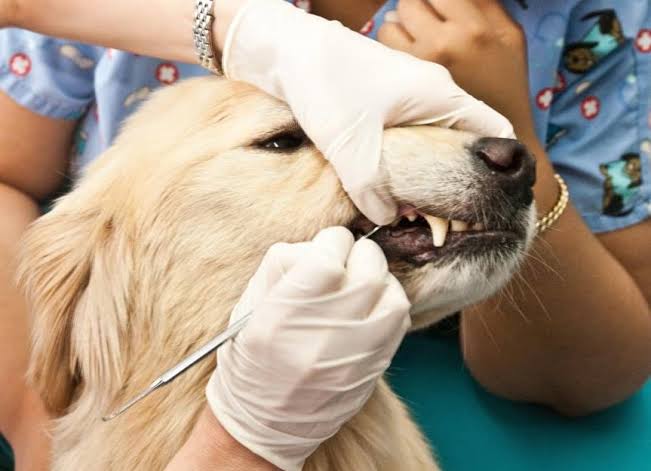
By age three, more than 80% of dogs and 70% of cats show signs of dental disease. It's one of the most common — and most overlooked — health problems in pets.
The good news? Dental care at home is simple, quick, and can add years to your pet's life. Here's everything you need to know.
🦷 Why Dental Health Matters
- Pain: Tooth decay and gum disease hurt — pets just can't tell us
- Infection: Bacteria from the mouth enters the bloodstream and can damage the heart, kidneys, and liver
- Bad breath: Not "normal" — it's usually a sign of disease
- Tooth loss: Untreated dental disease leads to extractions
- Cost: Professional dental cleaning can cost R2,000–R8,000+ — home care prevents this
- Lifespan: Pets with good dental health live longer, healthier lives
⚠️ Warning Signs of Dental Problems
- 🐕 Bad breath — the #1 sign
- 🦷 Yellow or brown teeth — tartar buildup
- 🩸 Red, swollen, or bleeding gums
- 🍖 Dropping food or chewing on one side
- 💧 Excessive drooling
- 🐾 Pawing at the mouth
- 😿 Reluctance to eat or refusing hard food
- 😷 Loose or missing teeth
- 😴 Lethargy or weight loss
If you see any of these, book a vet visit first — then start home care once cleared.
🐕 Dental Care for Dogs
Daily Brushing (The Gold Standard)
- Use dog-specific toothpaste — never human toothpaste (xylitol is toxic)
- Use a soft-bristle brush or a finger brush for beginners
- Start slow — let them lick the paste first, then touch teeth
- Aim for every day, but 3–4 times a week helps a lot
- Focus on the outside of the teeth — the tongue side stays cleaner
Dental Chews & Toys
- Choose VOHC-approved chews when possible
- Avoid hard bones, antlers, and hooves — they crack teeth
- Rubber chew toys with ridges help scrape plaque
- Dental sticks are great, but they're a supplement — not a replacement for brushing
Diet & Water Additives
- Some kibble is designed with dental-shaped pieces
- Water additives can reduce bacteria (ask your vet)
- Dental gels and sprays work well for dogs who won't tolerate brushing
🐱 Dental Care for Cats
Daily Brushing
- Cats can be trained to accept brushing — patience is key
- Use cat-specific toothpaste (poultry or fish flavour works best)
- Use a small cat toothbrush or finger brush
- Start with just letting them lick the paste for a week
- Then touch a tooth, then brush one tooth, then more
- If brushing isn't possible, use dental wipes
Dental Treats & Food
- Dental treats made specifically for cats
- Some prescription dental kibble helps reduce tartar
- Freeze-dried meat treats can help scrape teeth gently
- Never give cooked bones
Watch for Resorption Lesions
- Cats commonly get tooth resorption — painful cavities at the gum line
- Often invisible until a vet looks closely
- Signs: drooling, dropping food, refusing hard food
- Requires vet treatment — usually extraction
🪥 How to Brush Your Pet's Teeth (Step by Step)
- Step 1: Get them used to you touching their mouth — reward with treats
- Step 2: Let them lick pet toothpaste off your finger
- Step 3: Rub your finger along their gums
- Step 4: Introduce the brush with paste — let them chew on it
- Step 5: Brush 2–3 teeth at a time, then reward
- Step 6: Gradually build up to the full mouth over 2–3 weeks
- Step 7: Keep sessions short — 30 seconds is fine at first
If your pet hates it, don't force it. Dental wipes, gels, and chews are better than nothing.
🏥 Professional Cleanings
- Recommended once a year for most pets
- Involves anaesthesia — safer than it sounds with modern vet care
- Scales below the gumline — brushing can't reach there
- Includes polishing, X-rays, and extractions if needed
- Prevents pain, infection, and expensive emergency work later
Don't skip it. Even with great home care, most pets need a professional clean every 12–18 months.
🚫 What NOT to Do
- ❌ Never use human toothpaste — fluoride and xylitol are toxic to pets
- ❌ Don't use human mouthwash
- ❌ Don't give cooked bones — they splinter
- ❌ Don't give antlers, hooves, or hard nylon bones
- ❌ Don't ignore bad breath — it's a symptom, not a personality trait
- ❌ Don't skip vet checkups because "they seem fine" — dental disease hides well
💡 Quick Tips for Busy Owners
- Keep the toothbrush and paste next to their food bowl — easy to remember
- Brush right before a meal — they'll associate it with something good
- Use a finger brush if a regular one is too much
- Dental wipes take 10 seconds — better than skipping
- Book professional cleanings on the same day every year
- Check teeth monthly — you'll spot problems early
🛒 Gear for Happy, Healthy Teeth
Starting a dental routine doesn't have to be complicated. Our Dog Dental Care Kit comes with pet-safe toothpaste and a soft-bristle toothbrush — everything you need to keep your pup's smile healthy from day one. Gentle, easy, and vet-approved. 🦷🐾
← Back to Blog